

Complete Beginner's Guide to Google Veo 3
New to Google Veo 3? This guide is specifically designed for first-time users who want to learn this powerful tool without the technical confusion. We'll walk you through the basics of Google Veo 3, show you how to navigate the interface, and help you create your first project from scratch.
In the following sections, you'll discover:
- How to set up your workspace and understand essential Veo 3 features
- Step-by-step instructions for building your first project with confidence
- Simple performance optimization tricks that make a big difference
No previous experience needed—just follow along and you'll be handling Google Veo 3 like a pro in no time.
Understanding Google Veo 3 Fundamentals

Google Veo 3 isn't just another tool in the digital marketing landscape—it's a game-changer if you're just starting out. Think of it as your personal assistant for creating, managing, and optimizing your online presence without needing a PhD in tech.
The magic of Veo 3 lies in its beginner-friendly interface. Unlike most platforms that throw you into the deep end, Veo 3 holds your hand through each step. You don't need to know coding or have design skills to get impressive results.
For newbies, the real value comes from the automated recommendations. Veo 3 actually watches what works for businesses similar to yours and suggests changes that could boost your visibility. It's like having an expert looking over your shoulder, pointing out opportunities you might miss.
And the analytics? They finally make sense. No more staring at graphs wondering what they mean. Veo 3 tells you in plain English: "Hey, your audience loves this content, make more like it!"
Key features that set Veo 3 apart from competitors
The competition doesn't even come close when you look at what makes Veo 3 special:
- AI-Powered Content Suggestions - Veo 3 doesn't just tell you what's working; it helps create it. The AI analyzes top-performing content in your niche and generates customized templates you can adapt.
- One-Click Optimization - Spotted an issue? Fix it instantly. Most platforms identify problems but leave you figuring out solutions. Veo 3 implements fixes with a single click.
- Real-Time Audience Insights - The platform shows you exactly who's engaging with your content right now, not just historical data from last month.
- Visual Editor - Drag-and-drop functionality that actually works. Unlike clunky competitors, Veo 3's editor feels intuitive even if you've never built anything online before.
- Integration Ecosystem - Connects seamlessly with tools you already use, from email marketing platforms to social media schedulers.
System requirements and compatibility guide
Good news: Google Veo 3 runs on practically anything. You're not going to need fancy equipment or software upgrades.
For desktop users:
- Any modern browser (Chrome, Firefox, Safari, Edge)
- 4GB RAM minimum (8GB recommended for smoother performance)
- 1GB free storage space
- Internet connection: 5Mbps or faster
Mobile compatibility:
- iOS 12+ or Android 9+
- 2GB RAM minimum
- 500MB free storage
The platform is cloud-based, so your work syncs across devices automatically. Start a project on your laptop, continue on your phone while waiting for coffee.
Veo 3 plays nice with other Google products (obviously), but also works with:
- WordPress
- Shopify
- Major CRM systems
- Facebook Business Suite
- Most email marketing platforms
Setting up your Google Veo 3 account in under 10 minutes
The setup process is refreshingly simple:
- Head to veo.google.com and click "Get Started"
- Sign in with your existing Google account (or create one)
- Choose your business category from the dropdown menu
- Answer four basic questions about your goals
- Upload your logo (optional but recommended)
- Connect your social accounts (also optional)
- Choose between starter templates or blank slate
- Complete the 2-minute tutorial (don't skip this—it's actually useful)
That's it! The system automatically generates your dashboard based on your answers.
Pro tip: Take an extra minute to set up notifications. By default, Veo 3 alerts you about everything, which gets annoying fast. Customize these right away to focus only on what matters to your specific goals.
Mastering the Veo 3 Interface
Ever opened Google Veo 3 and felt completely lost? Yeah, me too. The dashboard can look like mission control at NASA when you first log in. But here's the thing - it's actually super intuitive once you know what you're looking at.
First things first, get familiar with the top navigation bar. That's your command center. From left to right, you've got your project selector, main menu, search function, and account settings. Click that project dropdown to hop between different Veo workspaces without breaking a sweat.
The sidebar is your best friend. Pin your most-used tools there and they'll always be one click away. No more digging through nested menus when you're in the zone.
Want a pro tip? The Activity Center (that little bell icon) keeps track of everything happening in your projects. Check it once in the morning, once after lunch. You'll never miss important updates again.
Customizing your workspace for productivity
The stock Veo 3 layout is fine, but customizing it will change your life. I'm not exaggerating.
Start by rearranging your dashboard modules. Drag and drop what you use most to the top. That analytics panel you check hourly? Put it front and center. The rarely-used settings? Banish them to the bottom.
Color coding is a game-changer. Assign different colors to different project types or clients. Your brain will thank you when you're jumping between tasks.
The sidebar customization is where the magic happens. Right-click it and select "Customize Menu." Add your go-to tools and remove the ones collecting digital dust.
Dark mode isn't just easier on the eyes - it actually helps some people focus better. Find it under Settings > Display > Theme.
Essential shortcuts every beginner should memorize
Shortcuts separate the amateurs from the pros. These five will instantly make you faster:
| Shortcut | Action |
|---|---|
| Ctrl+/ | Command palette (finds any function) |
| Ctrl+P | Quick project switch |
| Alt+N | New item (context-aware) |
| F2 | Rename selected item |
| Ctrl+S | Save (obviously, but use it religiously) |
The dashboard search (Ctrl+K) is probably the most underused power feature. It searches EVERYTHING - projects, files, comments, even help docs. Master this and you'll work twice as fast.
Troubleshooting common interface issues
The dreaded blank screen happens to everyone. Don't panic. Clear your cache (Settings > Advanced > Clear Cache) and it usually sorts itself out.
If elements seem misaligned or buttons aren't responding, try switching browsers. Chrome and Edge typically play nicest with Veo 3.
Missing toolbar? Hit F11 twice to reset your view. Sometimes fullscreen mode gets toggled accidentally.
For persistent issues, the diagnostics tool is your secret weapon. Find it at help.veo3.google.com/diagnostics - it automatically checks your setup and suggests fixes.
Syncing across multiple devices
The mobile experience is different from desktop - and that's actually by design. The app focuses on viewing and quick edits, while the desktop version handles heavy lifting.
Set up device sync preferences under Settings > Devices. Choose what syncs where. Maybe you want project notifications on your phone but not file updates.
Offline mode is a lifesaver. Enable it before boarding that flight, and Veo will queue up your changes to sync when you're back online.
Cross-device continuity lets you start work on your laptop and seamlessly pick up on your tablet. Just enable "Workspace State Sync" in settings.
Creating Your First Veo 3 Project
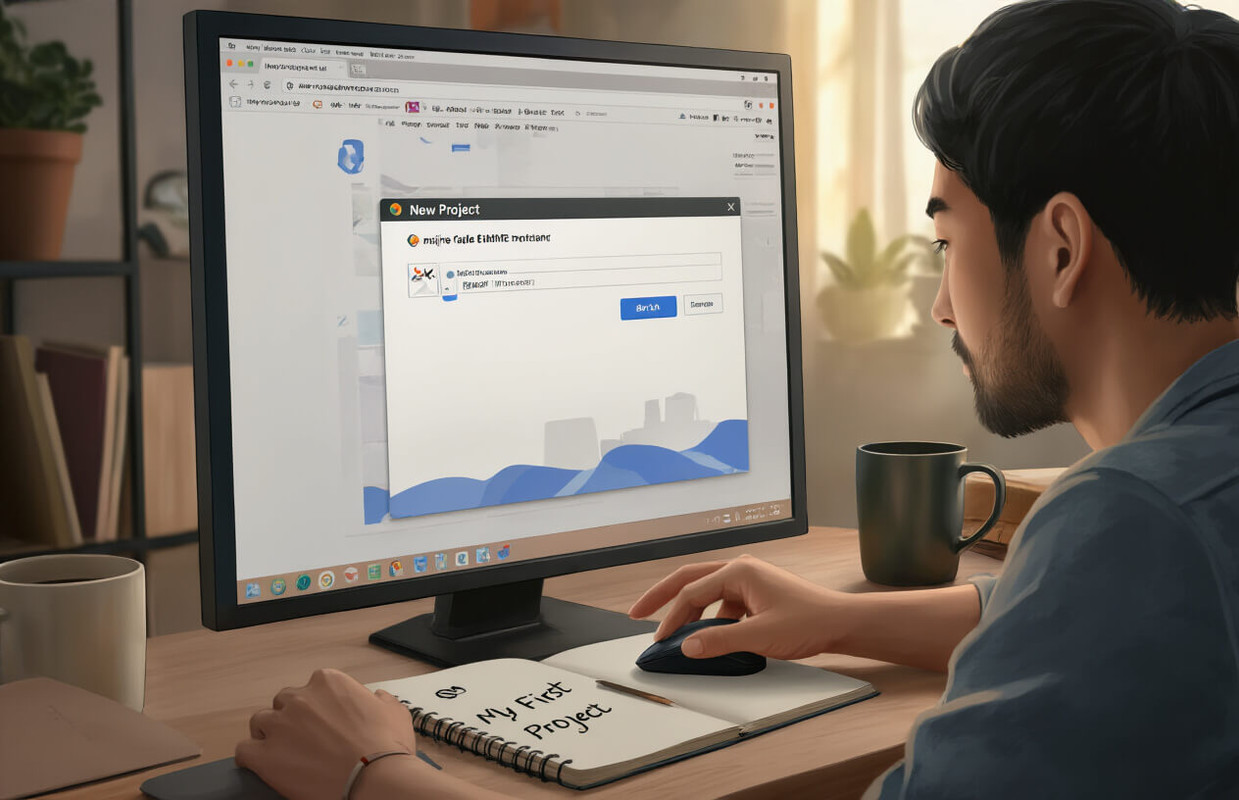
Ready to dive into Google Veo 3? Setting up your first project is surprisingly simple.
First, head to the Google Veo 3 dashboard and click the big "+" button in the top right corner. You'll see a popup asking for your project name – make it something you'll remember easily!
Next, you'll land on the project configuration screen. Don't panic at all those options. For beginners, stick with the default settings except for:
- Display format (choose "Responsive" for most websites)
- Default language (pick your primary audience language)
- Privacy settings (usually "Public" works fine)
Click "Create Project" and boom – you're in! The dashboard might look overwhelming at first glance, but focus on the left sidebar menu. That's your navigation hub for everything you'll need.
Choosing the right templates for beginners
Veo 3's template library is a goldmine for newbies. Don't start from scratch when you don't have to!
The best templates for beginners are:
- Basic Landing Page – Clean design with minimal customization needed
- Simple Portfolio – Perfect for showcasing work with built-in galleries
- Standard Blog – Pre-configured for content publishing
These templates handle all the complex design work while giving you enough customization options to make them your own.
When selecting a template, ignore the flashy, complex ones for now. They look amazing but require advanced skills. Sort the template library by "Beginner-Friendly" to see options that won't overwhelm you.
Importing and organizing your content
Got your project set up? Template selected? Now for the fun part – adding your stuff!
Click the "Content" tab in your dashboard. You'll see options for:
- Text blocks
- Image galleries
- Video embeds
- Custom elements
For text, you can either type directly into the editor or copy-paste from existing documents. For images, the drag-and-drop uploader is your best friend – just pull files from your computer right into the browser.
Smart organization is key. Create folders for different content types (images, videos, documents) right at the start. Trust me, future-you will be grateful when you're not digging through hundreds of unsorted files.
Use the "Bulk Import" option if you have lots of content. It'll save you hours of clicking around, especially for image galleries or product catalogs.
Optimizing Performance for Better Results
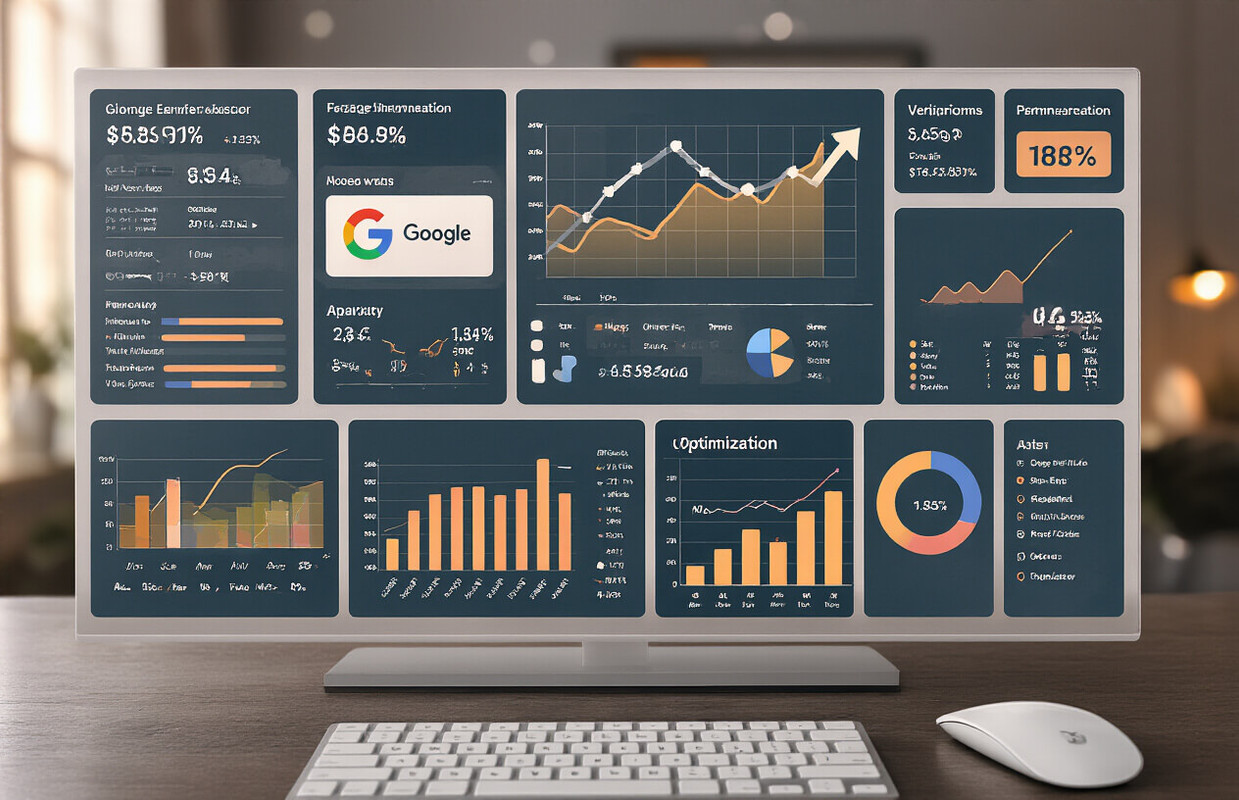
Google Veo 3 can sometimes feel sluggish when you're working with larger projects. Want to speed things up? Try these simple tricks:
- Clear your cache regularly - seriously, this alone can work wonders
- Close unnecessary browser tabs and applications
- Use keyboard shortcuts instead of menu navigation
The difference can be dramatic. I was editing a 20-minute video last week and my timeline was stuttering like crazy. After cleaning up my workspace, it was smooth sailing.
| Keyboard Shortcut | Action | Time Saved |
|---|---|---|
| Spacebar | Play/Pause | 2 seconds each time |
| Ctrl+Z | Undo | 3 seconds each time |
| Shift+S | Split clip | 4 seconds each time |
Resource Management to Prevent Crashes
Nothing worse than losing an hour of work because Veo 3 decided to crash. Been there? Yeah, me too.
The secret is managing your computer's resources properly:
- Set Google Veo 3 as a high-priority application in Task Manager
- Keep at least 20% of your storage space free at all times
- Consider upgrading RAM if you're working with 4K footage
- Export in smaller segments rather than one massive file
Cloud Integration for Seamless Backups
Google Veo 3 plays nicely with cloud storage, but most beginners don't take full advantage of this feature.
Set up auto-sync with Google Drive and you'll never lose another project. The system creates recovery points every 15 minutes, which has saved my behind more times than I can count.
For team projects, shared cloud folders make collaboration ridiculously easy. Just click the "Share" button, add team members, and you're good to go.
Performance Monitoring Tools Explained Simply
You don't need to be a tech wizard to monitor Veo 3's performance.
The built-in Activity Monitor shows you exactly what's hogging resources. Found in the bottom right corner, it displays CPU usage, memory consumption, and network activity in real-time.
For serious users, try the Performance Analytics extension. It gives you detailed reports on render times and identifies bottlenecks in your workflow.
Leveraging Veo 3's Advanced Tools

Veo 3 is loaded with AI that'll make your jaw drop. The smart auto-enhancement tool fixes your images and videos without you lifting a finger. Seriously, it detects what needs fixing and just... does it.
Remember spending hours transcribing videos? Those days are gone. Veo 3's speech-to-text actually works (unlike some other tools we won't name). It even identifies different speakers automatically.
The content suggestion engine is borderline creepy in its accuracy. Working on a cooking tutorial? It'll recommend related topics your audience will love before you even think of them.
Analytics capabilities for tracking progress
The analytics in Veo 3 aren't just pretty charts—they actually tell you something useful. You'll see exactly which parts of your videos people are rewatching or skipping. Gold mine? I think so.
Audience retention graphs show the exact moment viewers lose interest. Was it that awkward joke at 3:42? Now you know.
The demographic insights go deeper than basic age and location data. You'll understand viewing habits, device preferences, and even the best posting times for your specific audience.
Collaboration tools for team projects
Working with a team? Veo 3's commenting system lets anyone leave feedback at specific timestamps. No more "that part around the middle needs work" messages.
The permission settings are actually intuitive—assign different access levels without needing an IT degree. Editors can edit, viewers can view, and nobody accidentally deletes your master file.
Real-time collaboration means multiple team members can work simultaneously without creating version nightmares. Changes sync instantly, and everyone stays on the same page.
Automation options for repetitive tasks
Batch processing in Veo 3 is a game-changer. Apply the same edits to multiple videos at once and watch as hours of work shrink to minutes.
Custom workflows let you create your own automation recipes. Start with a template, tweak it to your needs, and save it for future projects.
Scheduled publishing takes the pain out of content calendars. Set it up once, and Veo 3 handles the posting schedule across all your platforms.
Export options for different platforms
Veo 3 knows that Instagram isn't YouTube isn't TikTok. The platform-specific export presets automatically adjust your content to optimal specs for each platform.
Custom export profiles remember your preferred settings, so you don't have to reconfigure everything each time.
The bandwidth-friendly options are perfect when you're working remotely with spotty internet. Create lightweight preview versions for approval before committing to heavy final exports.
From Beginner to Intermediate: Growth Strategies

You know that feeling when you first open Google Veo 3 and your brain goes "what now?" We've all been there. The trick is taking small, deliberate steps instead of trying to master everything at once.
Start with the basic editing tools for your first 2-3 projects. Get comfortable with the timeline, transitions, and simple effects. Don't worry about the advanced stuff yet.
By week 3-4, tackle intermediate features:
- Color grading fundamentals
- Audio enhancement tools
- Custom title sequences
- Basic motion tracking
Map out specific mini-projects to practice each skill. For example, create a 30-second clip focusing only on smooth transitions, then another one experimenting with color grading.
The secret? Document what you learn. Keep a simple note file tracking:
- Techniques you've mastered
- Features you're currently learning
- Tools you want to explore next
This creates a visual progression path that keeps you motivated when you feel stuck.
Community resources and learning hubs
The Google Veo 3 community is incredibly generous with knowledge. But not all resources are created equal.
Skip the random YouTube tutorials and focus on these gold mines:
- Official Veo Creator Hub - Their weekly livestreams answer real user questions
- VeoTalk Forums - The troubleshooting section alone will save you hours of frustration
- EditorsCollective Discord - Join the #veo-beginners channel for instant feedback
What makes these communities special isn't just tutorials – it's the critique and feedback from people who've already solved your exact problems.
Want to fast-track your learning? Post your work regularly. Even simple 20-second clips. The feedback you'll get is worth more than dozens of passive tutorials.
Practical exercises to reinforce your knowledge
Reading about features is nothing compared to actually using them. Try these hands-on exercises that build real muscle memory:
- The 60-Second Challenge: Create a complete edit using only 5 clips and 3 transitions
- Audio Rescue Mission: Take poorly recorded dialogue and make it broadcast-quality
- Color Matching Marathon: Import 3 clips with different lighting and make them look like they were shot together
- The Seamless Loop: Create a 5-second clip that transitions perfectly back to its beginning
The magic happens when you set artificial constraints. Limited tools force creative solutions.
Time yourself too. What took 2 hours your first time might take 20 minutes by your third attempt.
When and how to upgrade your subscription
Throwing money at the premium version won't automatically make you better. The basic subscription has everything you need until you bump into these specific walls:
- You consistently max out your cloud storage
- Render times are killing your workflow
- You need the advanced motion tracking for specific projects
- Multiple team members need simultaneous access
Before upgrading, do a quick audit. Are you actively using at least 70% of the basic features? If not, master those first.
When you do upgrade, start with the monthly plan. Test if the premium features actually improve your workflow before committing to annual payments.
The best time to upgrade? Right before starting a major project where you'll immediately leverage the advanced features.
Conclusion
Navigating the world of Google Veo 3 may seem overwhelming at first, but with the right approach, you can quickly move from complete beginner to confident user. By understanding the fundamentals, mastering the interface, and creating your first projects, you'll build a solid foundation. As your skills develop, you'll naturally progress to optimizing performance and leveraging advanced tools to enhance your work.
Take your journey one step at a time, focusing on consistent practice and exploration. Set achievable goals as you implement the growth strategies outlined in this guide, and don't hesitate to experiment with new features. The path from beginner to intermediate isn't about rushing – it's about building competence and confidence with each new project. Start applying these principles today, and watch your Google Veo 3 skills transform your creative and professional capabilities.


0 Comments